
Asia And The Middle East: new centers of tennis academies
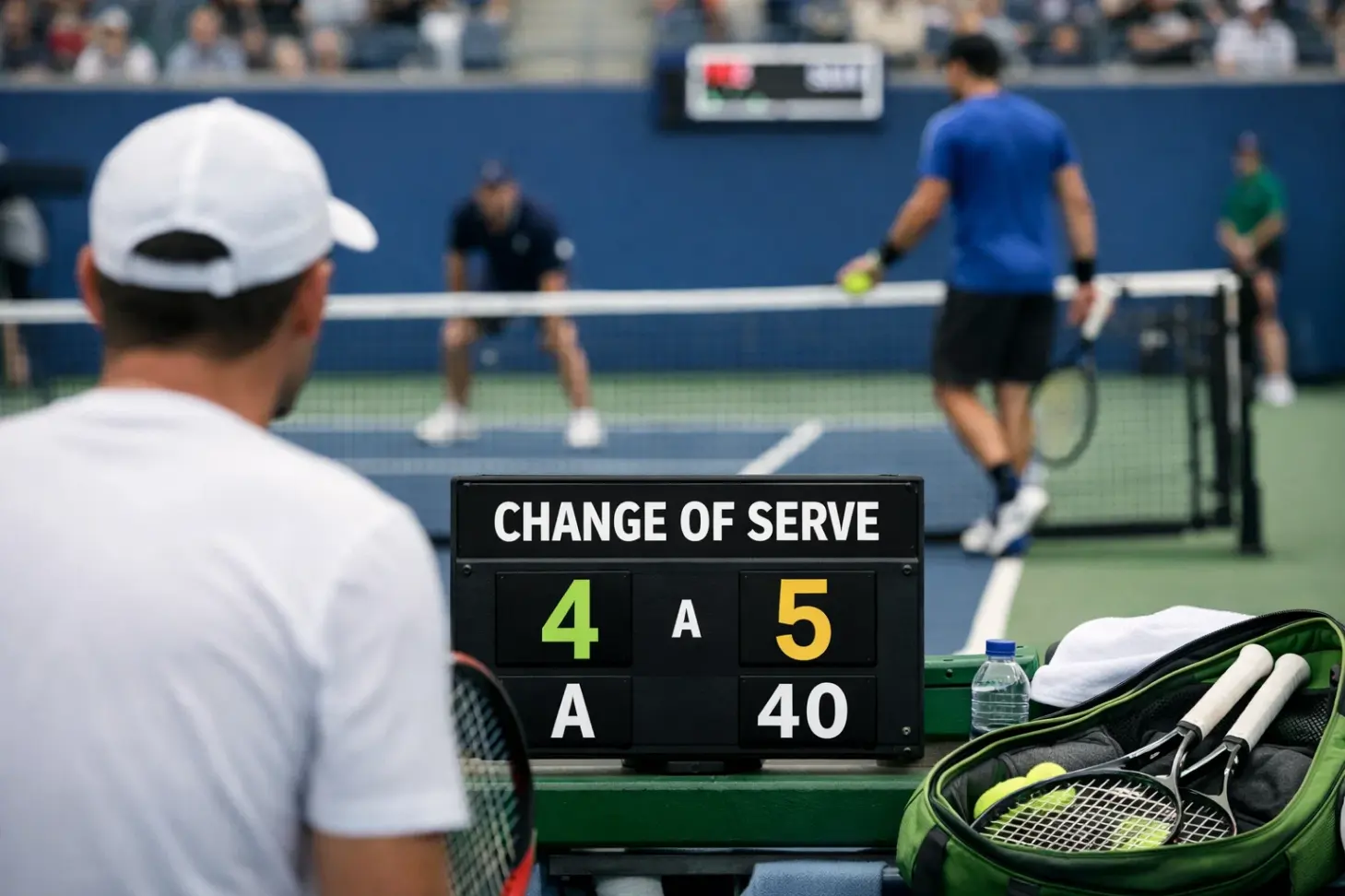
Tennis has long been associated with Europe and North America, but over the past decade the global map of player development has started to shift. Asia and the Middle East are no longer peripheral regions — they are rapidly becoming powerful hubs for elite training, infrastructure investment, and talent cultivation. Governments, private investors, and former professionals are building world-class academies that rival traditional centers in Spain, France, and the United States. These facilities are not only attracting local players but also drawing international juniors who are looking for new environments, modern technology, and year-round training conditions.
Why Asia And The Middle East Are Attracting Tennis Development
A combination of economic growth, strategic planning, and climate advantages has transformed these regions into appealing destinations for tennis academies. Countries like the UAE, Qatar, and Saudi Arabia are actively investing in sports as part of broader national visions, while nations such as India and China are expanding grassroots participation and elite training pathways.
The climate plays a significant role. Warm weather allows for year-round outdoor training, reducing seasonal interruptions that are common in Europe. At the same time, indoor facilities equipped with climate control ensure consistency even during extreme heat.
Another important factor is accessibility. Major cities such as Dubai, Doha, and Singapore are global travel hubs, making it easier for international players to relocate or attend short-term training programs. This connectivity supports the development of truly international academies where players from different continents train together.
The rise of these regions is also driven by a shift in mindset. Tennis is increasingly seen not just as a sport but as part of a broader lifestyle and education system. Many academies now combine schooling, sports science, and personal development into a single program, making them attractive to families looking for holistic training environments.
Leading Tennis Academies In Asia
Asia has witnessed a surge in high-quality tennis academies that blend international coaching expertise with local infrastructure. Countries like India, China, and Thailand are at the forefront of this movement.
The Rafa Nadal Academy Kuwait stands out as one of the most recognizable names in the region. As an extension of the original academy in Spain, it brings a proven methodology focused on discipline, mental strength, and tactical awareness. The academy offers both long-term programs and short training camps, attracting players from across the Gulf and Asia.
In India, the Mahesh Bhupathi Tennis Academy (MBTA) has built a strong reputation for developing young talent. Founded by India’s first Grand Slam champion, the academy combines international coaching standards with a deep understanding of local player development challenges. Its network of centers across the country ensures accessibility for aspiring players.
China has invested heavily in sports infrastructure, and the Beijing International Tennis Academy is a prime example. Equipped with advanced analytics, biomechanics labs, and high-performance coaching staff, it reflects the country’s ambition to produce world-class players.
Thailand’s Impact Tennis Academy in Bangkok has gained international recognition for its personalized approach. With a focus on small training groups and individualized coaching plans, it has become a destination for players seeking focused development away from crowded training environments.
These academies share several key characteristics:
• Strong integration of sports science and data analysis.
• International coaching teams with diverse experience.
• Emphasis on mental conditioning and match strategy.
• Flexible programs for both recreational and elite players.
The diversity of approaches across Asia ensures that players can find an environment that matches their goals, whether they aim for professional careers or high-level collegiate tennis.
Rapid Growth Of Academies In The Middle East
The Middle East has quickly emerged as a premium destination for tennis training, driven by substantial investment and a focus on luxury sports infrastructure. The United Arab Emirates, Qatar, and Saudi Arabia are leading this transformation.
The Mouratoglou Academy Dubai is one of the most prominent additions to the region. Founded by Serena Williams’ former coach Patrick Mouratoglou, the academy offers a comprehensive training system that mirrors its flagship location in France. Its presence in Dubai signals the region’s growing importance in global tennis development.
In Qatar, the Aspire Academy in Doha has expanded its sports programs to include tennis, integrating it into a broader high-performance ecosystem. Aspire is known for its state-of-the-art facilities and scientific approach to athlete development, making it a unique environment for tennis players.
Saudi Arabia is entering the tennis scene with ambitious projects aligned with its Vision 2030 initiative. The Saudi Tennis Federation High Performance Center aims to nurture local talent while also attracting international players through world-class facilities and coaching.
The CF Tennis Academy Dubai has also gained traction as a modern training center that combines European coaching methods with the resources of the UAE. It focuses on both junior development and adult training, making it accessible to a wide audience.
The region’s academies often stand out for their premium infrastructure. Facilities typically include indoor and outdoor courts, recovery centers, fitness gyms, and accommodation options, creating an all-in-one environment for athletes.
Key Tennis Academies And Their Features
To better understand the landscape, it helps to compare some of the most influential academies in Asia and the Middle East based on their location, specialization, and key strengths.
Before diving into the comparison, it’s worth noting that each academy reflects the priorities of its region — from technological innovation to luxury infrastructure and grassroots development.
| Academy Name | Location | Key Focus | Notable Feature |
|---|---|---|---|
| Rafa Nadal Academy Kuwait | Kuwait | Elite junior training | Spanish methodology and discipline |
| Mouratoglou Academy Dubai | UAE | High-performance programs | World-class coaching system |
| Mahesh Bhupathi Tennis Academy | India | Grassroots and elite training | Nationwide network |
| Beijing International Academy | China | Professional development | Advanced sports science integration |
| Aspire Academy Tennis Program | Qatar | Multi-sport performance | Cutting-edge facilities |
| Impact Tennis Academy | Thailand | Individualized coaching | Small group training approach |
| CF Tennis Academy Dubai | UAE | Junior and adult programs | European coaching style in UAE |
This comparison highlights the diversity of approaches across regions. Some academies prioritize elite pathways, while others focus on accessibility and personalized development. The presence of globally recognized brands alongside local initiatives creates a dynamic and competitive environment that benefits players.
Training Philosophy And Modern Approach
Modern tennis academies in Asia and the Middle East are redefining how players are trained. The traditional model of repetitive drills is being replaced by a more holistic approach that integrates multiple disciplines.
Physical conditioning is now closely linked with injury prevention. Strength and conditioning programs are tailored to each player’s age, playing style, and physical development. Recovery protocols, including physiotherapy and nutrition planning, are standard components of training.
Mental training has become equally important. Players are taught how to handle pressure, maintain focus during matches, and develop resilience. This aspect is particularly emphasized in academies associated with former professional players, where real-world experience shapes the curriculum.
Technology plays a central role in this evolution. Video analysis, motion tracking, and performance analytics allow coaches to identify strengths and weaknesses with precision. Players receive detailed feedback that helps them improve faster and more efficiently.
Another defining feature is the integration of education. Many academies offer academic programs alongside tennis training, ensuring that young athletes can balance their sporting ambitions with long-term career prospects.
Opportunities For Young Players And Global Impact
The rise of tennis academies in these regions is creating new opportunities for young players worldwide. Access to high-quality training is no longer limited to traditional tennis nations, and this shift is gradually diversifying the sport.
Players from Asia and the Middle East are beginning to make their mark on the international stage. Increased participation in junior tournaments and exposure to global competition are helping to bridge the gap between emerging and established tennis countries.
International players are also benefiting from this expansion. Training in these regions offers unique advantages, including exposure to different playing styles, cultural experiences, and competitive environments. For many, it provides an alternative pathway to professional tennis.
The impact extends beyond individual players. The growth of academies contributes to the development of local tennis ecosystems, including coaching education, tournament organization, and fan engagement. This creates a sustainable foundation for the sport’s future.
Conclusion
Asia and the Middle East are no longer emerging regions in tennis — they are becoming central to the sport’s global development. The combination of investment, innovation, and strategic vision has led to the creation of academies that rival the best in the world.
These centers are shaping a new generation of players who are more diverse, better prepared, and globally connected. As the momentum continues, the influence of these regions on professional tennis is likely to grow, redefining where and how champions are made.